
When the days get shorter and daylight becomes scarce, you might wonder if your product photos can still look good. Here’s some good news: the darker months can actually help you capture images with depth, warmth, and character. At Atelier Oost Amsterdam, we see photographers, brands, and creative teams literally shine with autumn and winter light every day. These are our professional insider tips to help you create Pinterest-worthy product photography – even in the darkest months of the year.
1. Understand autumn light, and play with it
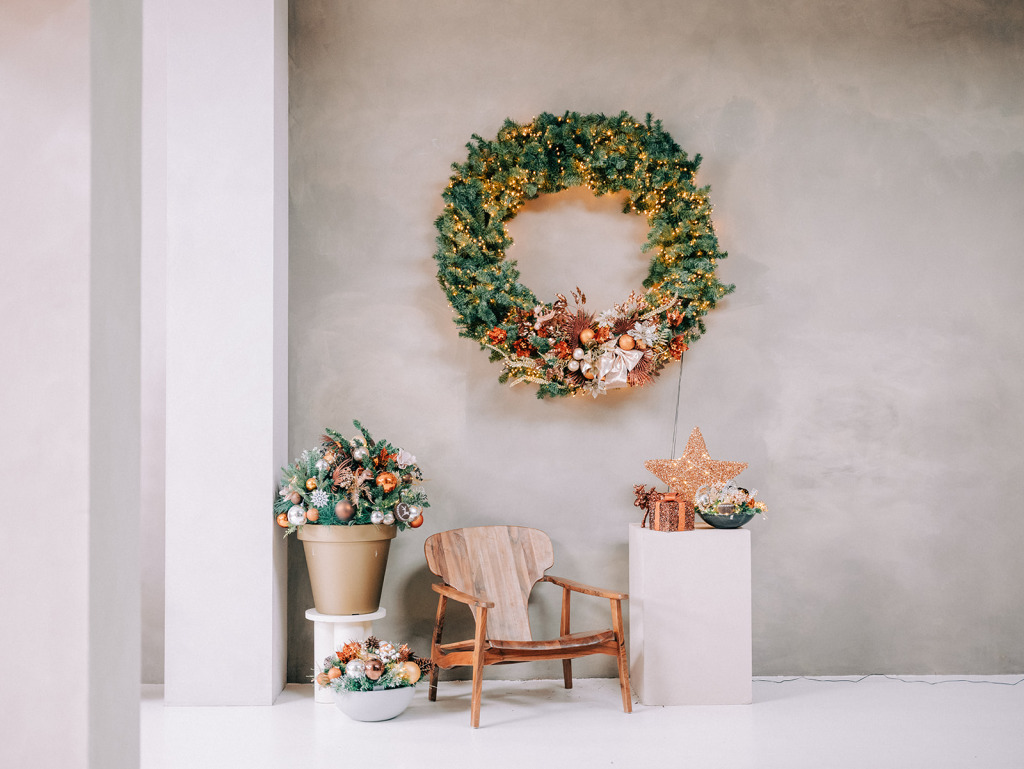
Winter light is softer, bluer, and more diffused. Instead of fighting it, use it to create intimacy. Pro tip: position your setup near a window (we have beautifully tall ones). A large white card or a piece of foam board can act as a reflector to bounce just the right amount of light back. Or use a thin white curtain as a natural diffuser; it softens and mystifies the light without dulling it.
2. Create ‘daylight’ with artificial light that doesn’t feel artificial
In autumn and winter, natural light can sometimes be scarce, but that doesn't have to limit you. Although we have plenty of natural light in our daylight studio, you can also use good artificial light on really dark days. With the right lighting, you can easily recreate that soft daylight feeling. Opt for bright, natural light: think of lamps that imitate the fresh light of a winter morning. You can use a softbox or a translucent cloth to soften the light and create a natural glow.
Position your lamp slightly diagonally from the front to create a subtle shadow and bring your product to life. Don't have any artificial lighting? Then read our blog about photography equipment rental in Amsterdam.
In autumn and winter, natural light can sometimes be scarce, but that doesn't have to limit you. Although we have plenty of natural light in our daylight studio, you can also use good artificial light on really dark days. With the right lighting, you can easily recreate that soft daylight feeling. Opt for bright, natural light: think of lamps that imitate the fresh light of a winter morning. You can use a softbox or a translucent cloth to soften the light and create a natural glow.
Position your lamp slightly diagonally from the front to create a subtle shadow and bring your product to life. Don't have any artificial lighting? Then read our blog about photography equipment rental in Amsterdam.


3. Play with contrast and mood
Pinterest images that perform well have one thing in common: emotion through contrast. So don't use flat, even lighting for everything, but dare to work with darker corners or reflections. A subtle light vignette or a low contrast profile in post-processing can work wonders.
Use colours consciously: warm tones (copper, wood, beige) enhance the feeling of warmth in autumn and winter. A “cold” product (such as silver or glass) comes to life beautifully with bluish light or cool backgrounds. Tip: did you know that, in The Livingroom, we have beautiful rolls of coloured photographic paper ? You can use these to your heart's content during your shoot. We even have silver!
4. Camera settings for atmospheric product photos
Technology supports atmosphere: not the other way around. Still, a few settings make all the difference:
Aperture: f/2.8–f/4 for shallow depth of field.
Shutter speed : use a tripod and slow down (1/15s or longer). ISO: keep it low (100–400) to maintain texture. White balance: around 5200–5600K, or use a grey card.
Insider tip: shoot in RAW. Only then can you truly capture the subtle nuances of autumn and winter light in post-processing.
Insider tip: shoot in RAW. Only then can you truly capture the subtle nuances of autumn and winter light in post-processing.

5. Styling and props that radiate warmth
The atmosphere in product photos is created not only by light, but also by material and texture. Combine shiny surfaces with matte, soft fabrics, wood or ceramics.
A warm blanket, a mug, or a raw linen napkin instantly adds layers. Think in terms of “tactile stories”: how would this image feel if you could touch it? To provide you with optimal support in creating magical product photos, we have the most unique props in our studios. You will find beautiful vases, works of art, mirrors, books and more. With our props, you can endlessly move, stack and play around to create special product shots that you won't see anywhere else.
The atmosphere in product photos is created not only by light, but also by material and texture. Combine shiny surfaces with matte, soft fabrics, wood or ceramics.
A warm blanket, a mug, or a raw linen napkin instantly adds layers. Think in terms of “tactile stories”: how would this image feel if you could touch it? To provide you with optimal support in creating magical product photos, we have the most unique props in our studios. You will find beautiful vases, works of art, mirrors, books and more. With our props, you can endlessly move, stack and play around to create special product shots that you won't see anywhere else.
6. Editing: Embrace the season
Do not use post-processing to make the light summery, but to enhance the season. Reduce the highlights slightly, increase the shadows if necessary, and add a soft warm tone to the midtones. In Lightroom, you can do this subtly using Split Toning (Colour Grading).
Pinterest-perfect tip: keep your images consistent in terms of colour tone. Use one preset for your entire series; consistency is worth its weight in gold in your feed.
Do not use post-processing to make the light summery, but to enhance the season. Reduce the highlights slightly, increase the shadows if necessary, and add a soft warm tone to the midtones. In Lightroom, you can do this subtly using Split Toning (Colour Grading).
Pinterest-perfect tip: keep your images consistent in terms of colour tone. Use one preset for your entire series; consistency is worth its weight in gold in your feed.



7. Bonus: Plan your shoot smartly
The best autumn/winter light hits between 10:00 and 14:30 – after that, tones cool quickly. Plan your shoot intentionally: decide what story to tell, which props support it, and how light carries the mood. The darker months don’t ask for haste – they invite thoughtful choices. They’re the season for imagery with depth, calm, and elegance – photography that makes the viewer pause.
The best autumn/winter light hits between 10:00 and 14:30 – after that, tones cool quickly. Plan your shoot intentionally: decide what story to tell, which props support it, and how light carries the mood. The darker months don’t ask for haste – they invite thoughtful choices. They’re the season for imagery with depth, calm, and elegance – photography that makes the viewer pause.


